We use cookies to make your experience better. To comply with the new e-Privacy directive, we need to ask for your consent to set the cookies. Learn more.

The Complete History of Game Calls
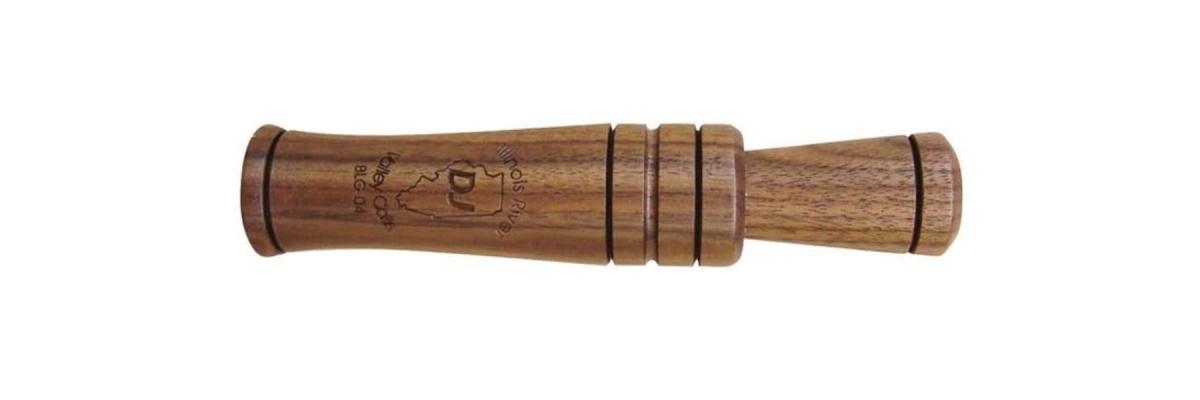
Throughout history, hunters have always relied on their sharp eyes and steady hands. However, they’ve also relied on another powerful tool, that being the ability to mimic the sounds (speaking the language) of the animals they’re tracking. From copying the deep bellow of a stag to replicating the sharp cries of a goose, these sounds have the power to draw game closer, distract wary animals, or signal hounds during a hunt.
This practice eventually led to the development of game calls, which are devices that are designed to replicate the natural noises of quarry animals. Over the centuries, they evolved from crude, handmade tools carved out of bone and wood into sophisticated devices that can reproduce an entire library of wildlife sounds. Let’s look at some of their earliest uses and discover how they evolved into the advanced tools that continue to shape modern hunting.
The Ancient Roots of Game Calls
Before physical devices were even conceived, the concept of game calling was already present in ancient civilisation. Early humans quickly discovered that sound could be just as useful as stealth or weaponry when it came to hunting prey. By observing animals, they learnt to imitate calls with their own voices, and, whilst crude, they were able to bring quarry closer for a decisive shot with a bow, spear, or stone.
Over time, hunters realised that hollowed bones, shells, and animal horns could be fashioned into simple whistles or trumpets that could amplify or alter the pitch of the sounds they produced. For example, a hollow bird bone could replicate high-pitched calls, matching calls of birds or rodents. These were the earliest physical instances of game calls, giving hunters an extra edge in survival but also finding other uses in ceremonies and rituals.
Game Calls in Medieval and Early British Hunting
By the medieval era, hunting in Britain had shifted dramatically from survival to a pursuit of nobility and prestige. Animals were abundant on royal estates, and hunts were highly structured activities that involved hounds, beaters (peasant assistants who drove game out of hiding), and large groups of hunters. Sound continued to play an important role, with people relying heavily on hunting horns.
Made from cattle horns, brass, or other metals, these instruments were used to communicate across long distances. A specific blast of the horn might have signalled hounds to pursue, whilst another might have indicated a successful kill. Each note carried meaning in order to ensure order during what were often chaotic and sprawling hunts. Although these game calls weren’t specifically used to mimic quarry, they’re a big indicator of how sound started to become an essential tool in British hunting.
Game Calls in the 18th and 19th Centuries
The 18th and 19th centuries marked a turning point, as hunters began experimenting with more advanced devices that were specifically designed to imitate the calls of animals. In Britain and across Europe, farmers, poachers, and stalkers used hand-carved wooden whistles, antler tips, and reed instruments to replicate the sounds of deer, ducks, and smaller quarry.
These handcrafted calls were often produced locally by skilled woodworkers or hunters themselves, and each one had a slightly different tone, volume, and pitch. Beyond functionality, they also carried a sense of heritage and identity, representing skilled craftsmanship and field knowledge.
The Rise of Modern Manual Game Calls
The late 19th and early 20th centuries saw the beginning of commercial game call production. In the United States, where waterfowl hunting was incredibly popular, companies began manufacturing duck and goose calls in larger quantities. Brands like P.S. Olt started mass-producing reed calls, offering hunters a consistent and reliable product.
This development soon spread to Europe and the UK, where manual calls became more refined and widely available. Hunters no longer had to rely on local craftsmen and could purchase a tested and proven design that delivered reliable results. In Britain, stalkers adopted roe deer and red deer calls, whilst predator controllers embraced fox whistles to lure animals into range. These manual calls required practice to master, needing an understanding around how to vary pitch, rhythm, and tone, but they rewarded hunters with the ability to convincingly mimic quarry. By this stage, game calls became an important accessory in a hunter’s arsenal.
The Arrival of Electronic Game Calls
The late 20th century saw yet another leap forward with electronic versions of game calls. These devices could play back pre-recorded animal sounds with remarkable accuracy, from the bark of a fox to the high-pitched squeal of a rabbit. For many hunters, electronic game calls were extremely useful, offering a library of sounds at the touch of a button. These calls also influenced newer manual designs, inspiring manufacturers to produce more sophisticated manual calls with improved acoustics, durability, and realism.
Final Thoughts
From the hollow bones to today’s precision-crafted instruments, the history of game calls tells the story of how humans have always sought to connect with nature through sound. What began as instinctive mimicry has now evolved into devices that represent outstanding craftsmanship and, in some cases, cutting-edge technology.
In the UK, calls remain a vital part of responsible hunting. Deer stalkers use roe and red deer calls during the rut, fox controllers rely on distress squeals to manage predators humanely, and wildfowlers carry whistles to lure wary ducks and geese into range. Each of these practices reflects both the traditions of the past and the innovations of the present and will continue to do so for many years.
R. Macleod – A Trusted Source for Game Calls
R. Macleod offers a large selection of trusted game calls for UK hunters. From traditional deer calls to specialist duck and goose calls, our range caters to numerous types of game and includes numerous top brands like DJ Illinois and Sceery Outdoors. Here are some of the models you can expect to find within the collection:
DJ Greylag Goose Call
The DJ Greylag Goose Call is a favourite among wildfowlers. Designed to mimic the deep noises of the greylag, this call is both durable and easy to master. It’s an invaluable tool for those hunting geese along Britain’s coasts and wetlands, helping hunters bring flocks within range with a convincing, natural tone.
DJ Widgeon Duck Call
Duck hunters know that wigeon can be cautious quarry, and the DJ Widgeon Duck Call provides the noises needed to lure them into range. With a crisp, realistic whistle, this call replicates the distinctive sounds of the wigeon, making it ideal for wildfowling on estuaries and inland waters. It’s simple to use yet remarkably effective.
Buttolo Blatter Deer Call
The Buttolo Blatter Deer Call is one of the most popular roe deer calls on the UK market. Its simple rubber bulb design produces a highly convincing doe or fawn call, especially effective during the rut. Easy to carry, intuitive to use, and proven in the field, it’s a must-have for serious deer stalkers.
This is only a fraction of what we have to offer, however, and you can find many other impressive models online. Browse our complete collection of game calls today, and invest in quality equipment that can help make your hunting experience emore effective. If you have any enquiries, don’t hesitate to contact us by calling 01862 892171.
