We use cookies to make your experience better. To comply with the new e-Privacy directive, we need to ask for your consent to set the cookies. Learn more.

A Beginner’s Guide to Ammunition Supplies
Across the UK, a growing number of hunters are discovering the satisfaction and precision that comes with reloading their own ammunition. It’s an activity that can not only save money but also give shooters control over every aspect of their cartridges, allowing them to fine-tune loads to match their firearms, their quarry, and their shooting styles. No matter if you're a passionate deer stalker or simply someone who enjoys the technical side of ballistics, reloading your own ammunition can be incredibly enjoyable and have a huge payout.
However, if you’re a beginner who’s about to get started on their reloading journey, it’s crucial to understand the core components involved before you make any investments. Every round you reload depends on a handful of essential ammunition supplies, ranging from brass cartridge cases to bullets and reloading powders, each having a specific and crucial role. At R. Macleod, we want to help educate new and passionate hunters so they can make more informed decisions, develop their skills, and continue to enjoy memorable hunts. When it comes to reloading, the right gear and knowledge allow it to become not just a practical part of shooting but one of its most satisfying and rewarding elements. Let’s discover more about each specific component.
Brass Cartridge Cases
Brass cartridge cases are the foundation of reloaded rounds, acting as the housings that contain the bullet, powder, and primer, withstanding the intense pressure that’s generated at the moment of firing. Unlike other materials such as steel or aluminium, brass offers an ideal mixture of strength and flexibility, and they can even be reusable. Brass can expand under pressure to seal the chamber and then contract slightly so they can be extracted from the firearm. And this elasticity makes it the preferred material for reloaders, as high-quality brass can be reused several times if it’s properly maintained.
Brass cases come in a wide variety of calibres and sizes, from common stalking rounds like .243 to larger calibres used in long-range shooting or vermin control. The consistency of the brass, in terms of internal volume, wall thickness, and neck tension, has a significant impact on accuracy. Uniform brass allows for more predictable ignition and pressure, which results in tighter shot groups and more consistent performance. Before reloading, brass should always be thoroughly cleaned to remove residue, inspected for cracks or deformations, resized to original specifications, and trimmed if necessary. These steps can mean that each case performs reliably and safely during firing.
Bullets
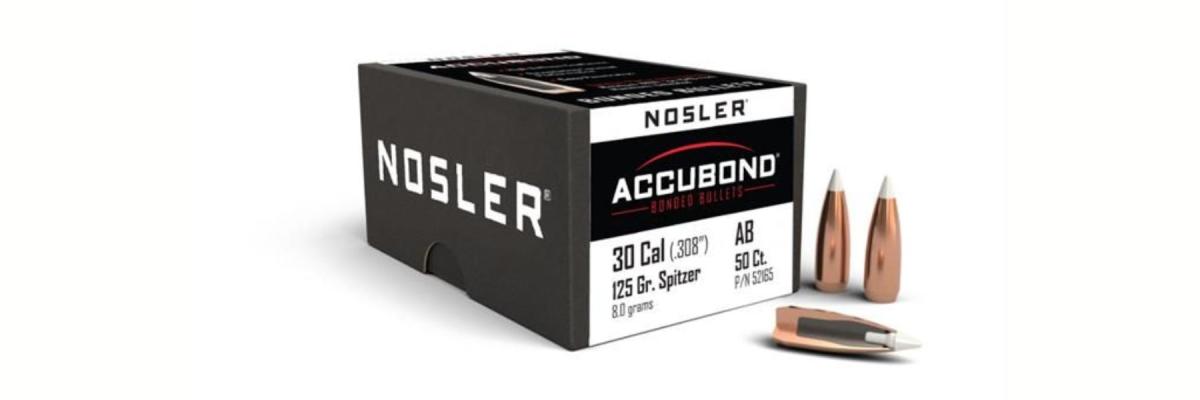
Whilst brass cases form the body of the cartridge, bullets are what ultimately leave the barrel and hit the target. Bullet selection is one of the most important aspects of reloading, as it directly influences accuracy, ballistic performance, and terminal effectiveness. Different bullets are designed for different tasks, and choosing the right one depends on your intended use, no matter if that’s humane kills in the field or maximum precision.
Bullets vary in weight, shape, construction, and material. For hunting, soft-point or polymer-tipped bullets are commonly used in the UK, as they offer controlled expansion on impact and are effective for taking down game ethically. For target shooting, hollow-point or boat-tail match bullets are often preferred for their excellent aerodynamics and stability at long distances. Bullet weight plays a crucial role too. Lighter bullets tend to be faster and have flatter trajectories, whilst heavier bullets offer better resistance to wind drift and deeper penetration, making them a better choice for larger quarry or challenging weather conditions often experienced in UK stalking. At the heart of bullet selection is the need to match the bullet to your rifle’s barrel twist rate, your chosen powder, and the distance you intend to shoot, and reloading allows you to experiment with different bullet types and seating depths to find the most accurate combination for your specific rifle.
Reloading Powders
Reloading powders, also referred to as propellant, act as the energy source behind every shot. When the primer ignites the powder inside the case, it burns rapidly, producing high-pressure gas that forces the bullet down the barrel and toward the target. Understanding powder types and their burn characteristics is essential to safe and effective reloading.
Powders vary in their burn rate, which determines how quickly they convert into gas. A fast-burning powder produces pressure quickly and is typically used for smaller calibres and lighter bullets. Slower-burning powders generate pressure over a longer time, making them more suitable for large cartridges and heavy bullets, where a sustained push down a longer barrel is needed. Using the wrong powder can result in unsafe pressure levels or poor ballistic performance, which is why it’s critical to follow trusted reloading manuals or manufacturer load data specific to your chosen components.
Reloading powders also differ in shape and grain size, which can affect how they flow through powder measures and how consistently they meter. For those reloading at scale, especially in progressive presses, powder flow consistency becomes even more important. Safety is crucial when working with powders. They must be stored in original containers, away from heat and moisture, in a cool and ventilated environment. Handling them with care and measuring with precise digital or beam scales can mean that every charge stays within safe pressure limits. Powder is one of the most technical aspects of reloading, but also one of the most interesting. It’s here that reloaders start to understand the true science behind internal ballistics and how small changes can make big differences.
Reloading Presses
Reloading presses are the central machines that bring all the components together. They can perform a range of critical tasks, from resizing brass and seating bullets to applying crimp and even inserting primers in some cases. Choosing the right press depends on your level of experience, the volume of ammunition you intend to load, and your personal preferences regarding speed versus precision.
For beginners, a single-stage press is often the best choice. This type of press performs one operation at a time, giving the reloader full control over every step. It’s slower than more complex presses but ideal for learning the fundamentals and producing high-precision hunting or target loads. A turret press introduces more speed, allowing multiple dies to be rotated into place, which reduces the need to constantly change tools. Progressive presses are designed for high-volume reloading and can perform several operations with each pull of the handle. These are typically used by experienced reloaders who load hundreds of rounds at a time.
In addition to the press itself, a reloading bench typically includes accessories like case trimmers, powder dispensers, priming tools, and callipers. Each tool serves a purpose and contributes to the quality and consistency of your final rounds. A solid bench setup doesn’t need to be expensive or overwhelming at the beginning. Many reloaders start with the basics and expand their workstation over time, building a system that reflects their specific needs.
From Start to Finish: The Reloading Process in Practice
Reloading involves a series of carefully executed steps that ensure each cartridge is safe and effective. The process begins with cleaning the brass, which is essential for removing powder residue, carbon buildup, and any dirt that may have accumulated after firing. Once cleaned, the brass is resized, which restores it to its original dimensions and removes the spent primer. The case is then trimmed to length if needed, chamfered and deburred to prepare the neck for the new bullet. Priming comes next, where a fresh primer is inserted into the base of the case. Then, using accurate scales and a reliable powder measure, the correct amount of reloading powder is dispensed into the case. The bullet is then seated to the correct depth using the press and seating die, with a crimp added if required to secure the bullet in place. Each of these steps plays a role in making sure that the round functions safely and consistently.
End Note
Reloading your own ammunition is a cost-saving measure and an opportunity to gain complete control over the performance of every shot you take. By understanding the role of each component, from the brass case and bullet to the powder and press, beginners can learn to appreciate the intricate science and skill behind consistent, reliable ammunition. No matter if you’re creating a precise load for your stalking rifle or simply enjoying the process of building something by hand, reloading adds a new layer of depth to your shooting experience. With the right knowledge, the right setup, and a commitment to safety and precision, reloading can become one of the most rewarding and satisfying parts of your time spent as a hunter in the UK.
A Wide Selection of Ammunition Supplies from R. Macleod
If you’re just getting started with reloading or looking to upgrade your current setup, you should explore the wide range of ammunition supplies we offer here at R. Macleod. Our selection includes a variety of high-quality brass cartridge cases, precision-engineered bullets, trusted reloading powders, and high-performance reloading presses suitable for both beginners and experienced reloaders. We’ve carefully chosen our stock from reputable brands in order to make sure that you get reliable, safe, and consistent performance every time you reload. No matter if you’re preparing for your next deer stalking trip or fine-tuning loads for the range, our stock of components can help you get the most out of your hunting. Feel free to browse our website to find out more, and if you have any questions, don’t hesitate to get in touch with our team.
