We use cookies to make your experience better. To comply with the new e-Privacy directive, we need to ask for your consent to set the cookies. Learn more.

Understanding Thermal Imaging Colours – How to Read and Interpret Heat Signatures
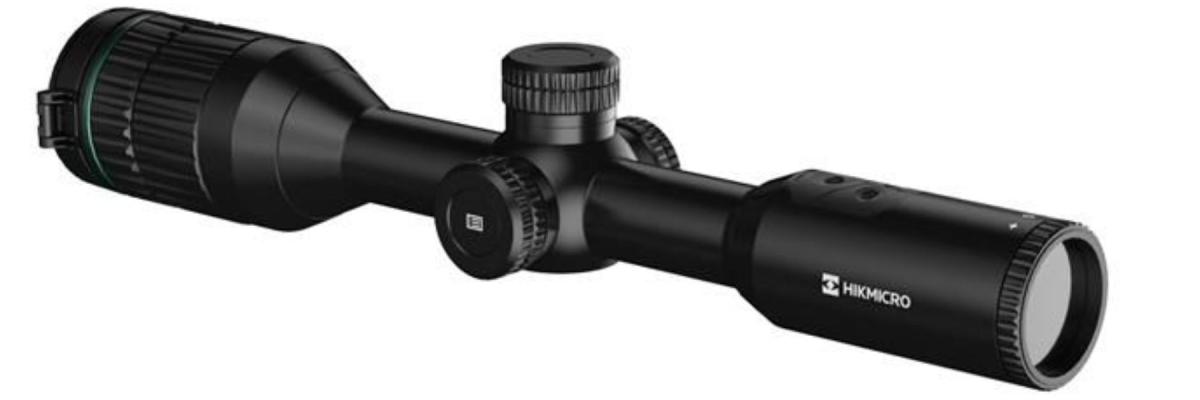
Thermal imagers have revolutionised hunting by providing the ability to see and track animals in low-light conditions, dense vegetation, or challenging terrains where traditional vision tools might fall short. These devices work by detecting infrared radiation (heat) emitted by all objects, including wildlife, and this heat is visualised on a screen in various colours that represent different temperature gradients. Whilst thermal imagers are incredibly effective, we know that to use them effectively, it’s important to know how to interpret the colours on the screen, as they play a crucial role in how you perceive the heat signatures around you. Different colours represent varying levels of heat, and understanding what each colour means will significantly enhance your ability to spot game, track animals, and make the most of your thermal imaging equipment. Let’s find out more about the various thermal imaging colour palettes, how they work, and how to read and interpret them effectively so that, from hunting at night to early mornings or in dense forests, you can enjoy a vastly improved hunting experience.
How Thermal Imagers Work
Thermal imagers operate by detecting infrared radiation emitted by all objects based on their temperature. Every object, including animals, emits heat energy, which is invisible to the naked eye but can be captured by a thermal camera. These images are then translated into a visual display of temperature differences. Thermal imagers use various colour palettes to show the differences in temperature. Hotter objects, like animals, emit more infrared radiation and show up as brighter colours on the screen, whilst cooler objects, such as trees or the ground, appear in darker hues. Understanding the specific colour gradients displayed on the screen helps hunters to distinguish between game and its surroundings, even in low-visibility conditions.
Common Thermal Imaging Colour Palettes and Their Applications
Thermal imagers for hunting typically offer a range of colour palettes that highlight specific temperature ranges to make it easier to see targets in different environments. Whilst the exact colour schemes may vary across brands, most models come with the following common palettes.
1. White Hot Palette
The white hot palette is one of the most commonly used colour schemes in thermal imaging, particularly for its simplicity and effectiveness in a variety of environments. With this palette, hotter objects, such as animals, appear in white, bright yellow, or red, whilst cooler objects, like the ground, trees, or foliage, are displayed in black or dark shades. This palette is excellent for hunting during the day or night when you need to spot game in more neutral surroundings, as the stark contrast makes warm bodies stand out clearly. It works well in open fields or low-contrast environments, where you need to highlight living creatures against a cooler background.
How to Interpret It
When scanning the environment, game animals will appear as bright white or yellow against the darker surroundings. In dense or grassy areas, the difference in temperature between the animal and its surroundings will be highlighted, making it easier to identify your target.
2. Black Hot Palette
The black hot palette is essentially the reverse of the white hot palette, offering an alternative that some hunters find useful in specific conditions. Warmer objects appear in black or dark tones, whilst cooler objects appear in bright white, grey, or red. This palette is ideal for nighttime hunting or low-visibility environments. The dark background provides higher contrast, helping to reveal the warm heat signatures of animals against a backdrop of cooler objects.
How to Interpret It
With this palette, animals in the area, such as a deer or wild boar, will stand out in bright white or light grey, making them easier to spot in darker environments. Vegetation or terrain will appear darker, providing a clear contrast to the animal’s heat signature.
3. Ironbow Palette
The ironbow palette is designed to display a broad range of colours, often using rainbow colours to represent different temperature ranges. In this palette, cooler objects appear in shades of blue and purple, whilst hotter objects are displayed in yellow, orange, red, and white. The ironbow palette is great when you need to differentiate between a range of heat intensities, which is particularly useful when tracking game in mixed environments with varying terrain types or when you need to observe temperature differences at a greater distance.
How to Interpret It
The high level of contrast offered by the ironbow palette allows you to easily track temperature differences in your environment and spot the warm bodies of animals clearly. It’s a great choice for spotting wildlife in areas where subtle heat variations are important.
4. Rainbow Palette
The rainbow palette is another visually striking option for thermal imagers, offering a variety of colours to represent varying heat signatures. Cool objects appear in dark blue, green, or purple, and warmer objects will appear in yellow, orange, red, or white, depending on how hot they are. This palette is often used in situations where temperature contrast is important. It’s particularly effective in areas with high thermal variation, where you need to differentiate between objects with small temperature differences.
How to Interpret It
As you scan the environment, animals will appear in bright red, orange, or yellow, which contrasts well against the cooler tones of the surroundings. The Rainbow palette allows you to easily differentiate between small temperature variations, which can be critical when tracking animals that are near other warm objects.
5. Outdoor/Forest Palette
The outdoor or forest palette is designed specifically for hunters working in wooded or forested areas, where there’s a lot of natural cover and the surroundings might be complex. It uses earthy tones, such as greens, browns, and yellows, for the background, with warmer heat sources displayed in bright reds and oranges. This colour scheme mimics the natural environment, helping to highlight animals against the foliage or terrain. The outdoor or forest palette is ideal for hunting in forests, thick brush, or vegetated areas where it's important to spot animals amid natural, earthy colours. It helps distinguish warm-blooded animals against cooler environmental features, like trees or rocks.
How to Interpret It
As you use this palette in a forest, you’ll notice that animals stand out in warm red or orange hues against the cooler greens and browns of trees and foliage. It’s designed to work in environments with heavy cover, offering hunters an advantage in tracking animals in densely vegetated areas.
Mastering Thermal Imaging for Hunting Success
Understanding and interpreting the colours on a thermal imager is key to successfully using the device in hunting scenarios. The different colour palettes allow you to spot animals in a wide range of environments, from dense forests to open fields, at all times of the day or night. By learning to recognise the heat signatures displayed on the screen, you’ll gain the ability to track game with precision and efficiency, improving your chances of a successful hunt, no matter if you’re tracking big game in a forest or spotting nocturnal animals in more open terrain.
Premium Thermal Imaging Devices Supplied at R. Macleod
At R. Macleod, we understand that choosing the right thermal imaging device is crucial for hunters, wildlife trackers, and professionals working in rural areas. That's why we offer a wide range of thermal imaging models, each equipped with varying features to suit your specific needs. From tracking game in dense woodland to scouting open fields at night, our thermal devices help you spot heat signatures with remarkable clarity, even in low-visibility environments such as fog, long grass, or total darkness.
We provide thermal riflescopes that can mount directly onto your rifle, offering a clear thermal image for both targeting and shooting. Many of these models feature advanced options like digital zoom, built-in video recording, and laser rangefinders, which are invaluable when fast detection and accurate shot placement are essential. For those who already use a traditional scope, our thermal imager add-ons offer the ideal solution. These front-mounted clip-ons fit directly in front of your existing scope, making it easy to adapt your setup without changing your rifle configuration. For fieldwork, we also offer a selection of hand-held thermal imagers that are compact and easy to use. These pocket-sized devices are great for scanning large areas for heat sources, allowing you to spot animals that might be partially obscured or stationary. If you're planning for longer sessions, we also provide thermal imaging binoculars, combining the long-range performance of thermal scopes with the comfort and depth perception of traditional binoculars. These are ideal for those who need extended viewing sessions, whether for wildlife observation or security purposes.
With a range of thermal imaging solutions available from a number of leading bands like Pulsar and Hikmicro, we make sure that you can have the right thermal device to match your specific hunting, tracking, or surveillance needs, all whilst providing you with precise colour palettes to enhance your viewing experience. To view our full range of thermal imaging devices or discover our other ranges of premium hunting equipment, browse our website today. If you need any assistance, feel free to call 01862 892171 and speak to a member of our team.
