We use cookies to make your experience better. To comply with the new e-Privacy directive, we need to ask for your consent to set the cookies. Learn more.

What Is the Correct Way to Use a Shotgun Sling?
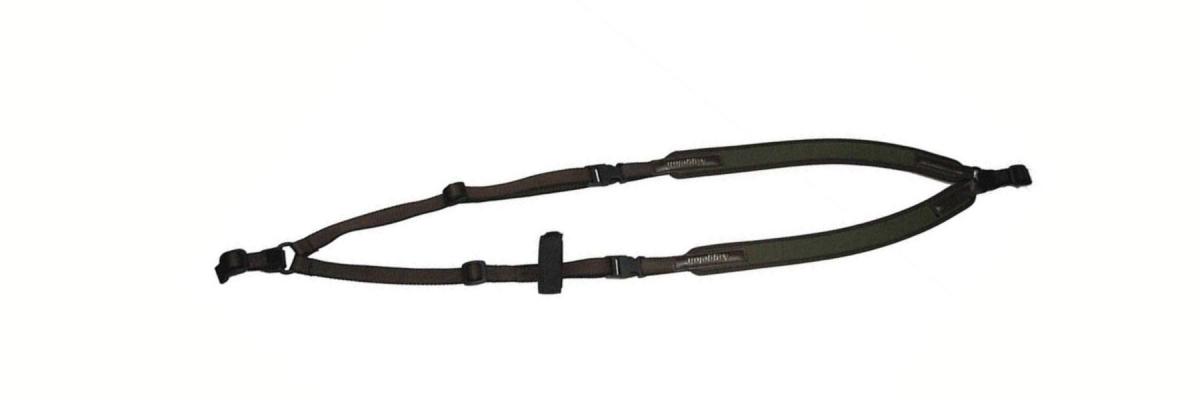
Using a shotgun sling correctly is about more than making your firearm easier to carry. The right setup helps you move comfortably, keeps your shotgun under control, and allows you to mount it quickly when a shot presents itself. A properly adjusted sling should hold the shotgun securely against your body without restricting movement, with the muzzle always pointing in a safe direction according to your surroundings and current shooting guidance. Whether you're walking through woodland, crossing open fields or covering long distances on a driven shoot, knowing how to use a shotgun sling properly can make your day in the field more comfortable and, most importantly, safer. Here's everything you need to know.
Why Use a Shotgun Sling?
A shotgun sling allows you to carry your firearm without constantly holding it in your hands. This leaves a hand free for opening gates, climbing obstacles, carrying equipment or handling dogs whilst keeping your shotgun close at hand. A well-adjusted sling also spreads the weight of the shotgun across your shoulder, helping reduce strain during long walks. Rather than swinging freely, the shotgun should sit close to your body so it remains secure as you move.
How to Carry a Shotgun with a Sling Correctly
The correct carrying position depends on your surroundings, but a few principles always apply. For instance, the shotgun should rest comfortably against your body without bouncing or swinging excessively. Also, the sling should be adjusted so you can shoulder the gun smoothly when needed without becoming tangled. Many shooters prefer to carry the shotgun across their body, with the sling over the opposite shoulder to their shooting hand. This keeps the firearm stable whilst allowing it to be brought into position quickly.
Whatever carrying style you choose, you should always keep the muzzle pointing in a safe direction and ensure the shotgun stays close to your body. You also need to avoid allowing the barrel to swing towards other people and check that the sling doesn't interfere with your shooting stance or mounting the gun.
How Tight Should a Shotgun Sling Be?
One of the most common mistakes is adjusting the sling incorrectly. If it's too loose, the shotgun will swing as you walk, catch on branches or equipment, and become uncomfortable to carry. If it's too tight, you'll struggle to shoulder the gun smoothly and your movement may feel restricted. As a general guide, the shotgun should sit around chest or upper waist height, close enough to remain secure whilst still allowing you to bring it into your shooting position without unnecessary adjustment.
Before heading into the field, spend a few minutes practising mounting the shotgun whilst wearing the sling. Remember that small adjustments can make a big difference.
How to Attach a Shotgun Sling Correctly
Most sporting shotguns are fitted with sling swivel studs or attachment points. If yours isn't, suitable adapter kits are widely available. For a standard two-point sling you should:
-
Attach the front strap to the swivel near the fore-end.
-
Attach the rear strap to the swivel at the stock.
-
Check both connections are firmly locked into place.
-
Adjust the strap until the shotgun sits comfortably against your body.
Before every outing, inspect the swivels and buckles for signs of wear or damage. A worn attachment point can fail unexpectedly, risking damage to your firearm or creating a safety hazard.
Choosing the Right Shotgun Sling for Safe Carrying
Although the way you use a sling matters more than the type you choose, it's still worth understanding the main options.
Two-Point Sling
This is the most popular choice for game and clay shooters. Attached at the front and rear of the shotgun, it offers good weight distribution and keeps the firearm stable during long walks.
One-Point Sling
A one-point sling attaches at the rear of the shotgun. It allows quick access but offers less control whilst walking, making it more common for tactical applications than traditional field sports.
Three-Point Sling
Three-point slings provide extra support and are generally used in specialist or tactical settings rather than everyday game shooting. For most hunters and country sports enthusiasts, a well-made two-point sling remains the most practical option.
Safe Shotgun Sling Use
A sling should make carrying your shotgun safer, not replace safe firearm handling, so it’s important to keep these points in mind every time you head into the field:
-
Always keep the muzzle pointing in a safe direction.
-
Follow local laws, shoot rules and best practice regarding carrying a loaded or unloaded firearm.
-
Never rely on the sling alone to control the shotgun.
-
Keep your finger away from the trigger until you're ready to shoot.
-
Make sure the sling doesn't cover the trigger guard or interfere with your grip.
-
Regularly inspect straps, buckles and swivels for wear.
-
Remove twists in the sling before carrying the shotgun.
Should You Shoot Whilst Wearing the Sling?
Many shooters leave the sling attached whilst shooting, provided it doesn't interfere with mounting the shotgun. Others prefer to remove the sling entirely during a day's shooting, especially on clay grounds where the shotgun is carried for shorter periods. Whichever approach you choose, practise mounting your shotgun with the sling fitted before using it in the field. The sling should never catch on your clothing or affect your natural shooting position.
Common Mistakes When Using a Shotgun Sling
Even experienced shooters can develop bad habits. Some of the most common mistakes include wearing the sling too loose, allowing the shotgun to swing, tightening it so much that mounting the gun becomes awkward, and ignoring worn swivels or damaged straps. Other errors include allowing the muzzle to point in an unsafe direction whilst walking and failing to practise carrying and mounting the shotgun before a shoot. Taking a few minutes to adjust your sling properly before each outing helps avoid these problems.
Looking After Your Shotgun Sling
A little maintenance will help your sling last for years. Check the stitching, buckles and swivel attachments regularly. Leather slings should be cleaned and conditioned occasionally to prevent drying or cracking, whilst synthetic slings can simply be wiped clean after use, especially if they've been exposed to mud or rain. Replacing worn components early is far easier than dealing with a failed sling in the field.
Final Thoughts
Knowing the correct way to use a shotgun sling is just as important as choosing the right one. A properly adjusted sling keeps your shotgun secure, makes long walks more comfortable and allows you to move safely through the field without compromising control of your firearm. By checking your sling before every outing, carrying the shotgun close to your body and always keeping the muzzle pointed in a safe direction, you'll be better prepared for a safe and enjoyable day's shooting.
Quality Shotgun Slings from R. Macleod
At R. Macleod, we understand that the right shotgun sling can make all the difference during a hunt, which is why we offer a large selection of high-quality shotgun slings to suit every hunter's needs. Our slings are designed with strength and comfort in mind so that your firearm can be securely carried whilst reducing fatigue during long hunting trips. We offer a range of materials, ranging from tough nylon to premium leather, each providing a reliable and comfortable fit. Additionally, many of our slings even come with padded shoulder straps, making them even more comfortable for extended use in the field. Whether you're a seasoned hunter or just starting out, you can rely on us to provide a premium selection of shotgun slings that allows you to hunt with greater confidence. Discover the full range today, or feel free to contact us if you need any assistance.
