We use cookies to make your experience better. To comply with the new e-Privacy directive, we need to ask for your consent to set the cookies. Learn more.

Bipods – A Guide to Choosing the Right Rifle Bipod
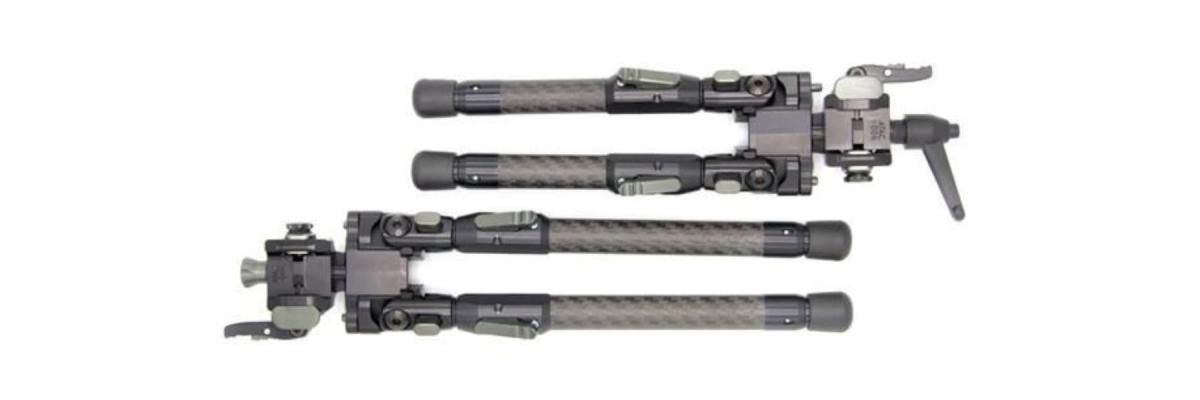
A good bipod can provide valuable support when shooting from a fixed position, giving your rifle a more stable base and making it easier to maintain a consistent setup. For hunters and target shooters alike, the right bipod can also make carrying and positioning equipment more convenient, particularly when working from the ground. However, choosing a bipod isn't simply about picking the most expensive model or the one with the longest legs. Height, adjustment, attachment method, construction and the type of terrain you expect to encounter all matter. Whether you're replacing an existing bipod or buying one for the first time, understanding these features will help you find a model suited to your rifle and intended use.
What Is a Rifle Bipod?
A rifle bipod is a two-legged support designed to attach to a compatible rifle and provide a stable base when the firearm is placed in a supported position. Bipods are available in different sizes and designs, with some offering fixed support and others allowing greater adjustment. Common features include extendable legs, locking mechanisms and different foot designs for use on varying surfaces. The best option depends largely on how and where you intend to use it.
Why Use a Bipod?
The main purpose of a bipod is to provide additional support for the rifle. Rather than relying entirely on the shooter's body position or an improvised rest, a bipod creates a dedicated support point. This can be particularly useful when hunting from a suitable stationary position or when spending extended periods at a shooting range. A bipod can also make it easier to establish a repeatable setup. Once you have found a suitable position and adjusted the support correctly, you can maintain a more consistent platform.
What to Consider When Choosing a Bipod
There are several features worth considering before buying a bipod. Thinking about your typical shooting environment first can make it much easier to narrow down the options.
Bipod Height
Height is one of the most important considerations. A low-profile bipod may be well suited to prone shooting on relatively clear ground, whereas longer legs can be useful where vegetation or uneven terrain makes a lower position impractical. The aim is to choose a height range that suits your usual environment without adding unnecessary bulk.
Adjustable Legs
Adjustable legs provide greater flexibility when working on different surfaces. Depending on the design, individual legs can be positioned at different heights, helping the support accommodate uneven ground. This can be particularly useful for hunters who regularly move between woodland, grassland and open terrain.
Fixed and Swivel Models
Different bipod designs provide different levels of adjustment.
Fixed-base models are straightforward and provide a solid platform, whilst swivel or pivoting designs can help accommodate uneven ground whilst keeping the rifle properly supported. Neither style is automatically right for everyone. Your choice should reflect the terrain you regularly encounter and how much adjustment you want from your equipment.
Bipod Feet
The feet are another small feature that can make a noticeable difference. Different designs may be better suited to different surfaces, from firm ground to softer terrain. Rubber feet can provide grip on hard surfaces, whilst other designs may be intended to provide better purchase outdoors. If you regularly hunt in changing conditions, choosing a bipod with interchangeable or suitable feet can add versatility.
Choosing a Bipod for Different Terrain
Your surroundings should influence the bipod you choose. A model that works well on a flat, open range may not be as convenient when used in long grass or uneven woodland. Before purchasing, think about the environments in which you are most likely to use the bipod.
Uneven Ground
Uneven terrain can make a fixed support less practical. A bipod with independently adjustable legs or a suitable pivoting mechanism can provide greater flexibility when the ground isn't level. This can be particularly useful when hunting across natural terrain where completely flat surfaces are uncommon.
Grass and Vegetation
Long grass and other vegetation can affect your choice of bipod height. A very low model may be difficult to use where vegetation obstructs the position, whilst excessively long legs can add unnecessary size and weight. A model with a useful range of adjustment allows you to adapt the support to the environment.
Hard and Soft Surfaces
Ground conditions can also affect stability. Firm surfaces generally provide a straightforward base, whilst softer ground can require greater care when positioning the support. A bipod with suitable feet and a robust locking system can provide greater confidence across changing conditions.
Hunting Bipods vs Range Bipods
The ideal bipod can differ depending on how you intend to use it. For hunting, weight and portability can be particularly important. Hunters may carry their equipment over considerable distances, making a compact and lightweight design attractive. For range use, portability may be less important, allowing you to prioritise features such as adjustment, construction and a broader range of positioning options. If you use the same rifle for different purposes, a versatile adjustable bipod can provide a useful compromise.
Bipod Stability and Rifle Support
A bipod should provide a firm and dependable support point without introducing unnecessary movement. Look for secure leg-locking mechanisms and a construction that feels robust when adjusted. The support should also remain appropriate for the weight and configuration of your rifle. It is important to follow the manufacturer's instructions when fitting and using a bipod, particularly regarding attachment, adjustment and the equipment's specified load limits.
Compatibility and Attachment
Before purchasing a bipod, check that it is compatible with your rifle and its existing mounting system. Different rifles and stocks can use different attachment arrangements, so don't assume that every bipod will fit every firearm. If you're unsure, check the manufacturer's specifications or speak to a specialist retailer. Getting the correct attachment from the outset is far easier than discovering that a new bipod isn't compatible with your setup.
Durability and Build Quality
A hunting bipod may be exposed to mud, rain, dust and general outdoor wear, so construction quality matters. Look for robust materials, secure locking mechanisms and components designed for repeated use. A well-made bipod should also be straightforward to adjust without feeling flimsy or overly complicated. For hunters who regularly operate in demanding conditions, durability can be just as important as weight.
Maintaining Your Bipod
Regular maintenance can help keep your bipod working properly. After outdoor use, check the legs and moving parts for dirt, mud or grit. Clean the bipod according to the manufacturer's recommendations and inspect the attachment points and locking mechanisms for signs of wear. It's also worth checking that all adjustments remain secure before use. If any component appears damaged or isn't operating as intended, stop using the bipod until it has been inspected or repaired appropriately.
High-Performance Bipods: Available at R. Macleod
At R. Macleod, you can find a wide range of bipods designed to meet the demands of real-world hunting, allowing you to shoot from a prone position, navigate uneven ground, or set up for long-range accuracy. We stock leading, trusted brands such as Hawke and Harris that are renowned for producing bipods that combine strength, precision, and ease of use. Our selection also includes both solid base bipods, ideal for hunters who prioritise maximum stability and minimal movement, and swivel models, which allow you to compensate for uneven terrain and maintain a level shooting position without constantly readjusting your setup.
Many of the bipods available feature adjustable leg systems, enabling you to quickly adapt to different environments such as long grass, rocky ground, or soft terrain. Built with robust materials and reliable locking mechanisms, they’re also designed to withstand tough outdoor conditions whilst maintaining consistent performance. It doesn’t matter if you’re an experienced hunter refining your setup or just starting to build your kit; you can trust us to provide bipods that enhance stability, improve shot accuracy, and perform confidently in a variety of hunting scenarios. Discover exceptional bipods and other hunting equipment today by browsing our website, or email [email protected] if you have any questions about our offerings.
Final Thoughts
Choosing the right bipod is largely about matching the equipment to your rifle and the conditions in which you intend to use it. Height, leg adjustment, feet, attachment method, weight and construction can all affect how practical a bipod is in the field. By considering these features before buying, you can select a support that fits your equipment and suits your intended use. A quality bipod is a relatively simple addition to a shooting setup, but choosing the right design can make a meaningful difference to how practical and consistent your equipment feels.
